
Alternative Provision
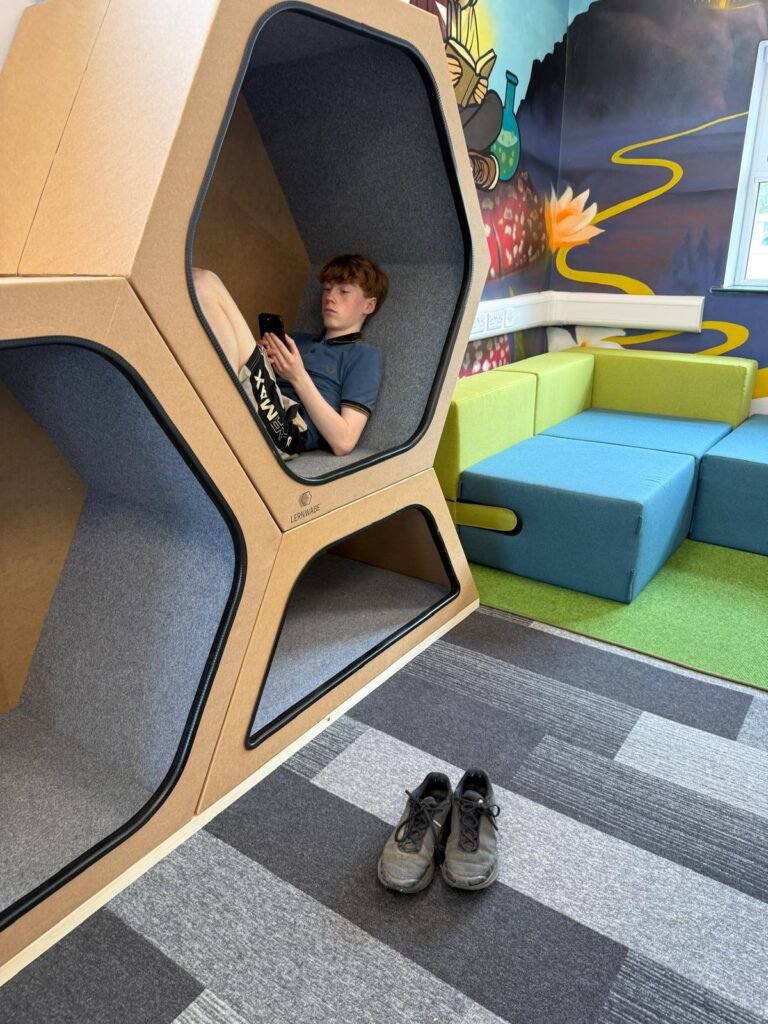
Explore how learning environments can support Alternative Provision through flexible spaces, sensory considerations and opportunities for different ways of learning.
Planning Early Years Spaces for Canopy Nurseries
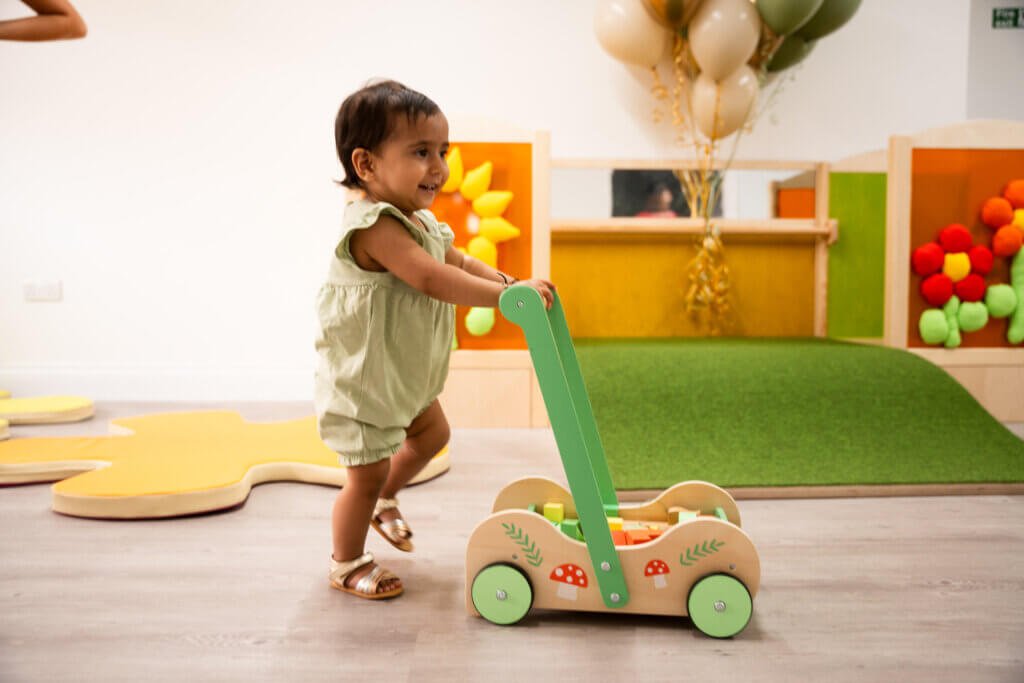
Behind the furniture at Canopy Nurseries: what we chose, why we chose it, and how it supports flexible learning and practical classroom use.
Creating Enabling Environments in Early Years Settings
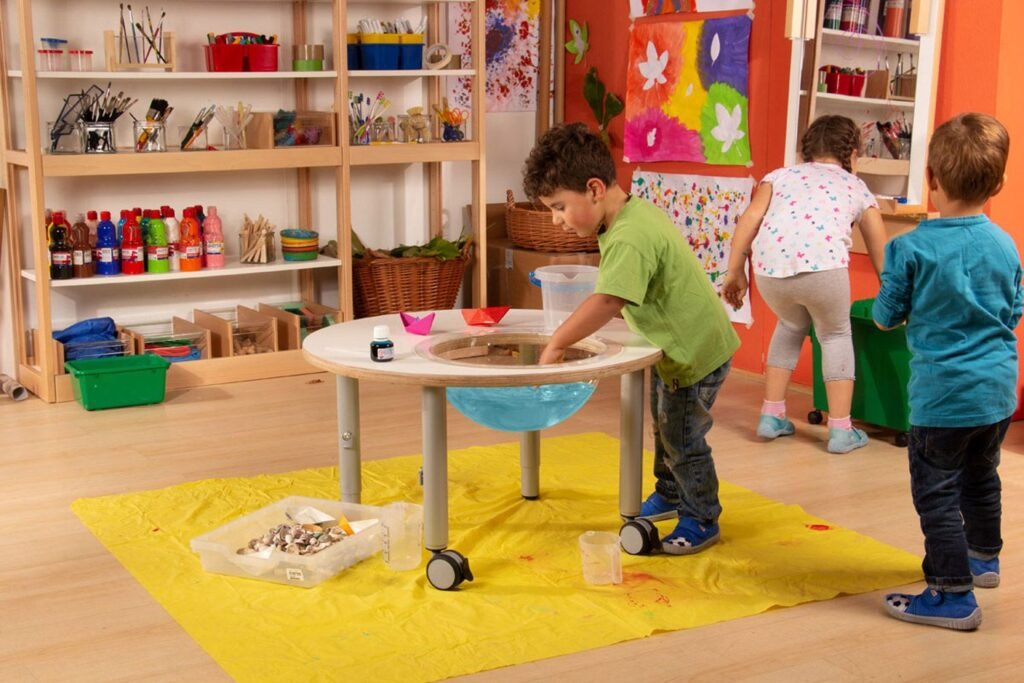
An enabling environment is more than a classroom layout. When every element has a clear purpose, the environment itself becomes a powerful part of learning.
How Open-Ended Furniture Supports Children’s Learning
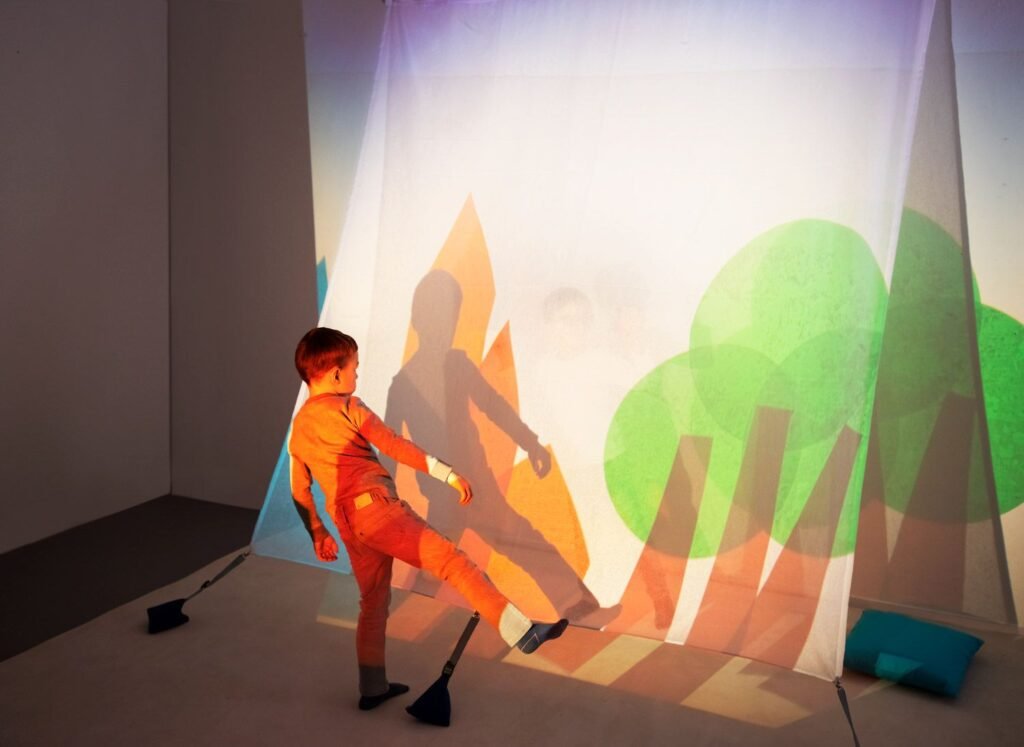
The way children use their environment shapes how they think and learn. Open-ended furniture gives them room to explore ideas, take initiative, and see the world as full of possibilities.
Creating Pause Points in Museums
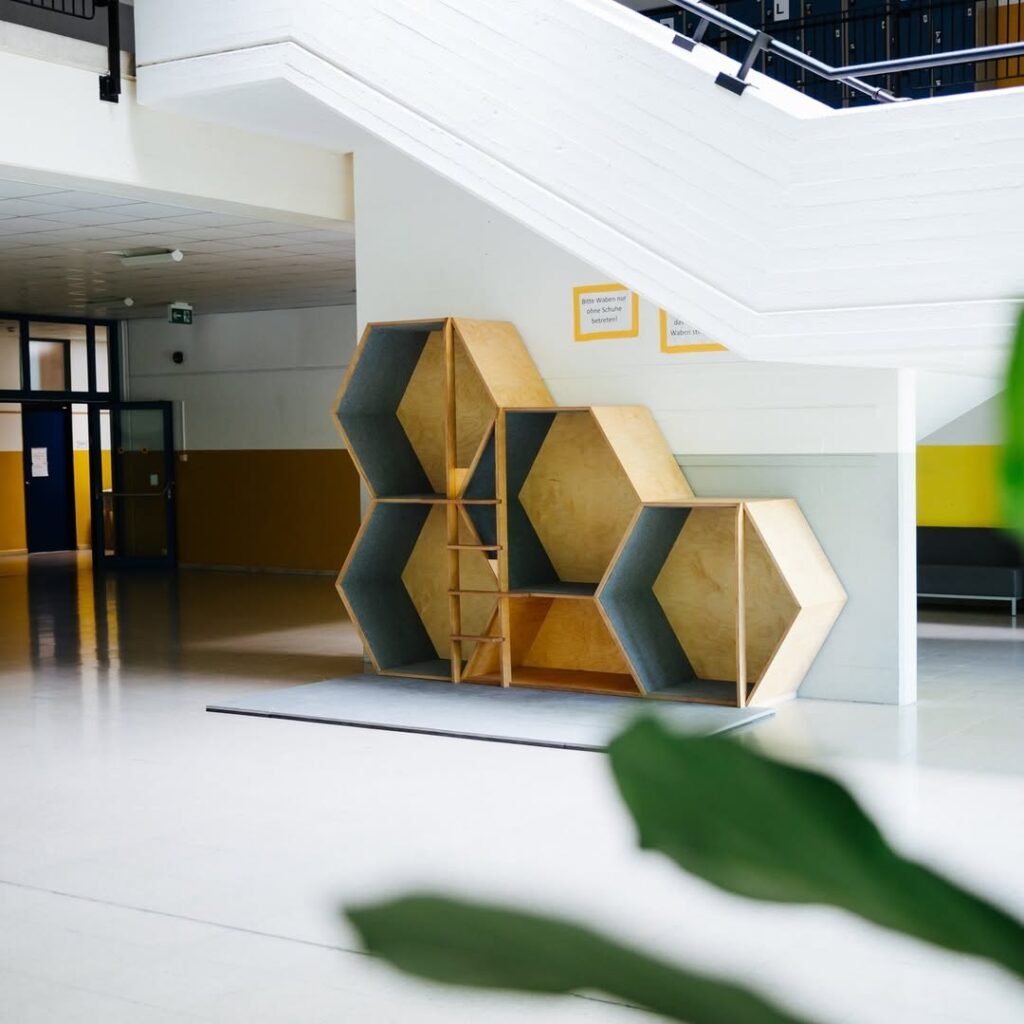
From lobbies to exhibition halls, Honeycombs create flexible retreat spaces without major interventions. Already in use at leading European museums, they add a new layer to the visitor experience.
Space Design Project – Hasting Hill, Wise Academies
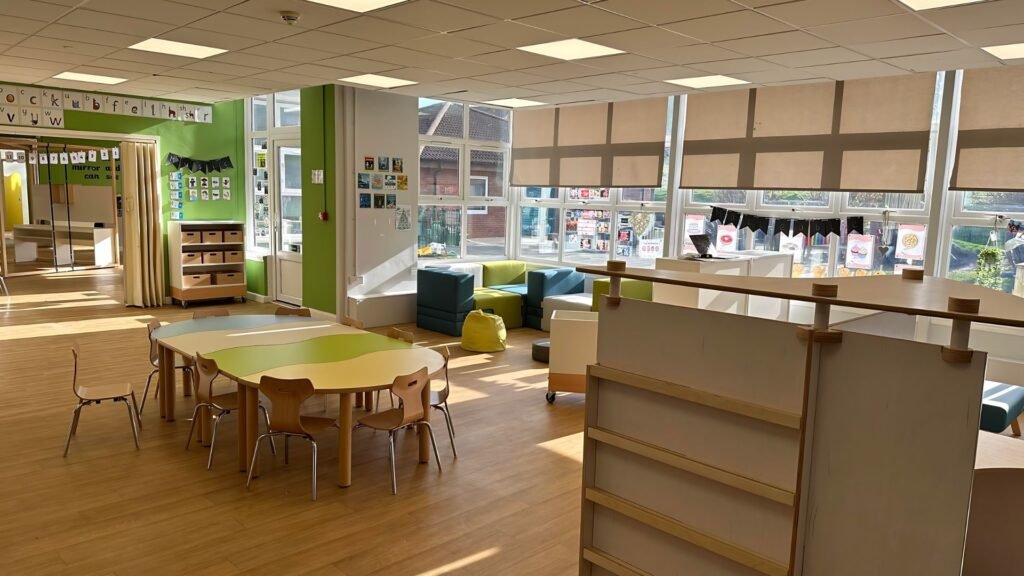
We worked with Hasting Hill Academy, part of WISE Academies, to plan and furnish a flexible early years learning space designed to support a variety of activities.
Cardboard Honeycombs at Childsplay Nursery
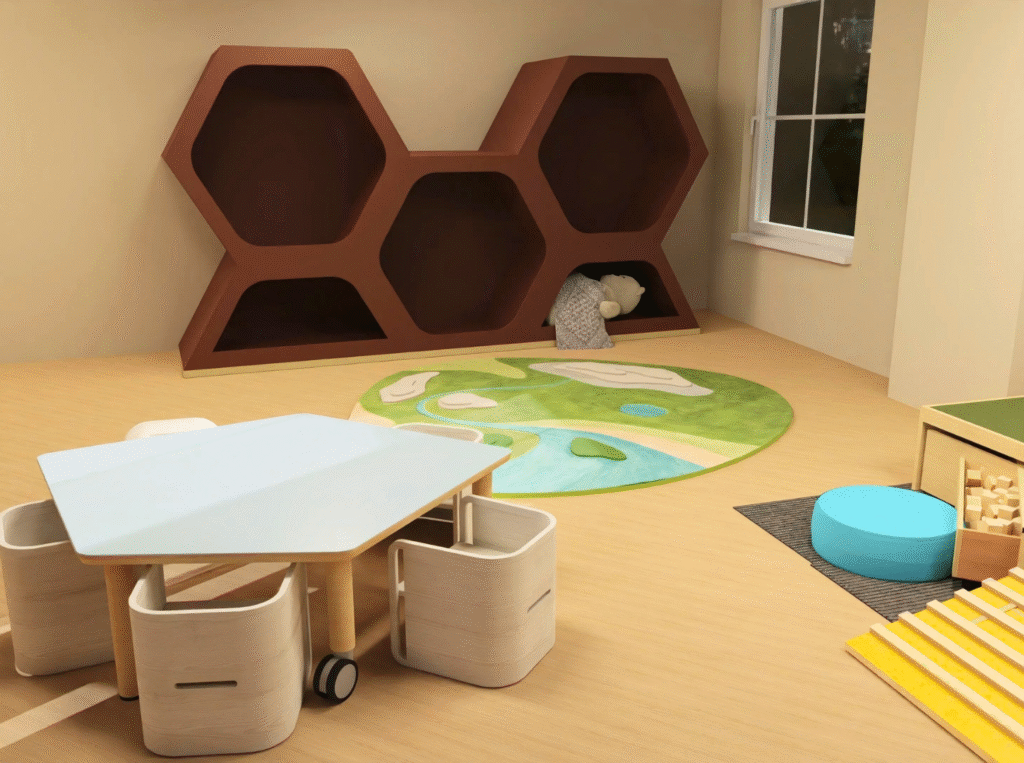
At Childsplay Nursery in Newcastle, Learning Honeycombs have quickly become a valued addition to their environment. Designed to create flexible retreat spaces, they offer children a calm place to rest, recharge, or enjoy quiet moments.
Creating Learning Spaces at Haltwhistle Academy
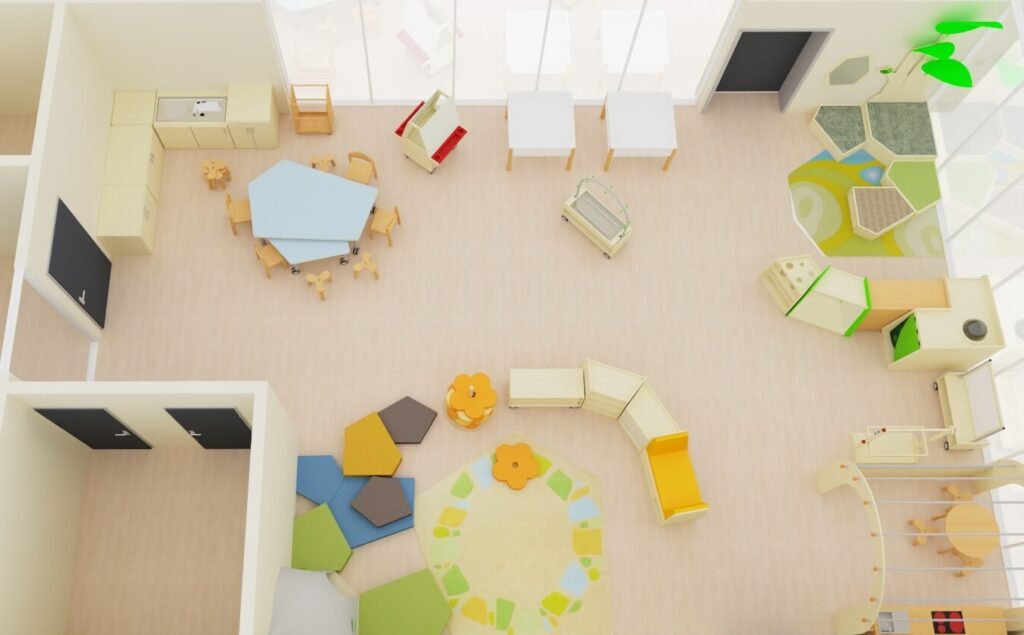
Our involvement in the refurbishment of Haltwhistle Primary Academy began at the recommendation of one of the senior team members at Wise Academies, following our earlier collaboration on the award-winning Jesmond Gardens Primary project in Hartlepool.
Space Design Project: Brood Play Café
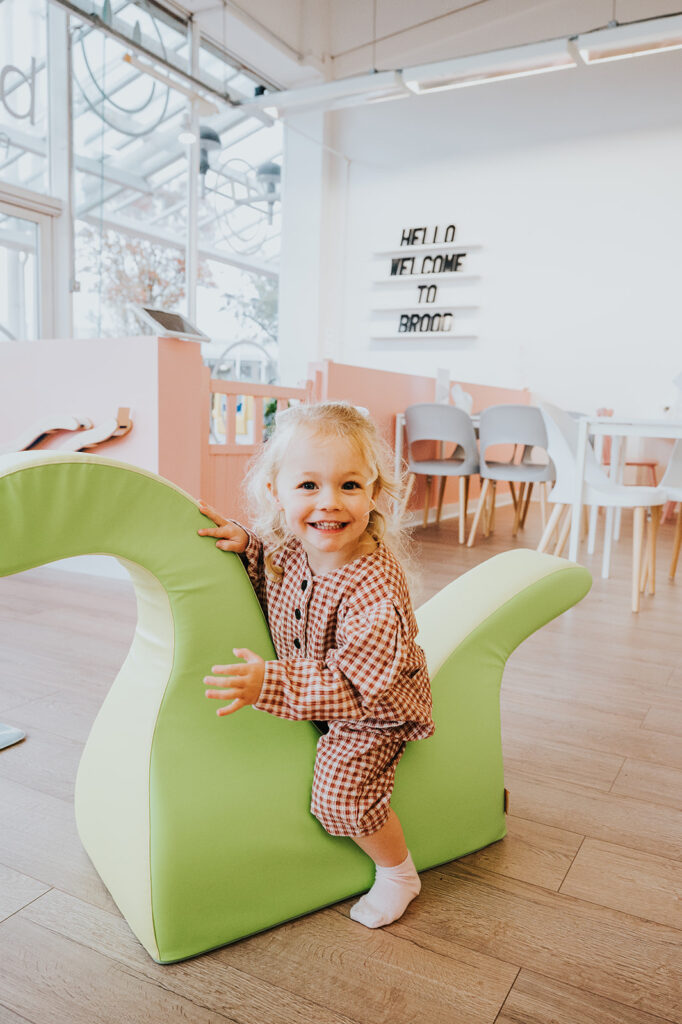
Brood Play Café, located in North Shields, UK, is an independently run play space designed for children from newborn to preschool age. The café offers a cosy, nurturing, and inclusive environment where families can bond and create lasting memories.
A Century of Play: Celebrating 100 Years with Dusyma
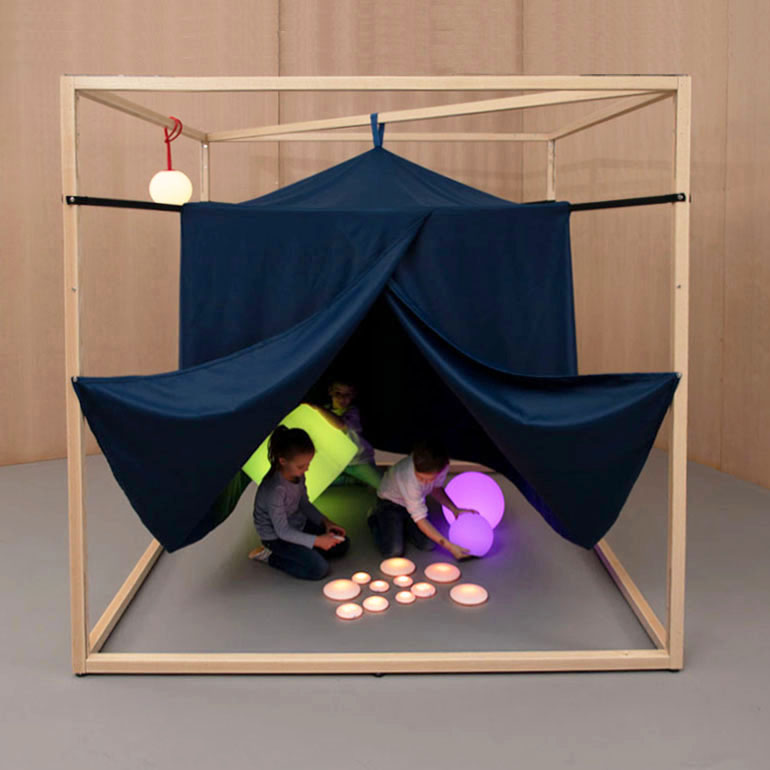
A Century of Play: Celebrating 100 Years with Dusyma Dusyma, the world’s first kindergarten supplier, was founded in 1925, and for the past 100 years has been synonymous with exceptional quality, safety, and pedagogical value. This milestone marks a century of dedication to creating innovative educational toys, furniture, and learning resources that inspire children’s development. […]